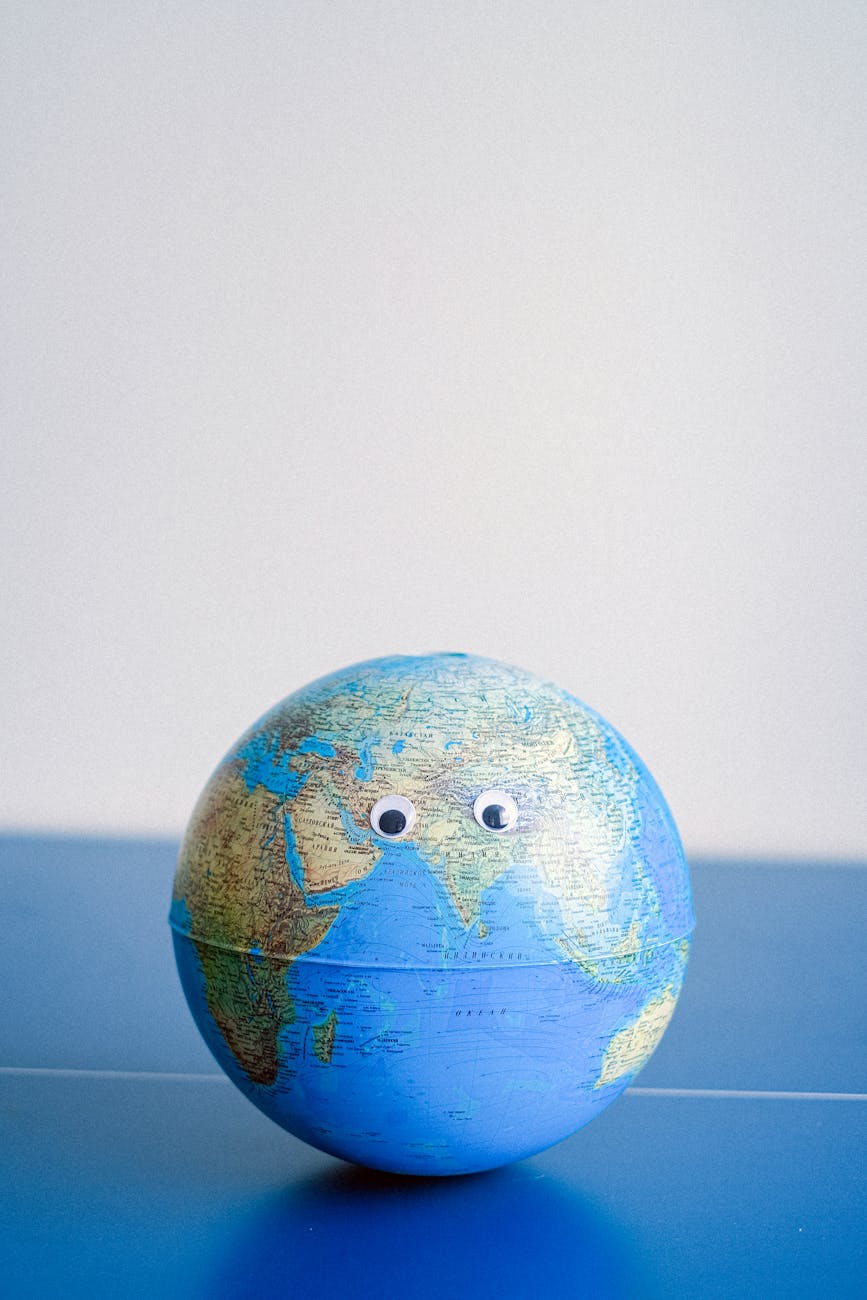
The Earth is the Lord’s and its fullness thereof, the world and those who dwell therein. Psalm 24:1-2.
Is the world owned or is it just one big squatter’s paradise? This age-old conundrum has kept philosophers, economists, and political thinkers scratching their heads for eons. Some folks are firm believers that the world can’t be owned, insisting it’s a giant communal potluck for all living creatures.

On the other hand, there are those who swear that the world is up for grabs, whether it’s by individuals, mega-corporations, or entire nations. The whole concept of land ownership has fueled more drama and fights than a reality TV show, sparking intense debates about who gets to slap their name on Mother Earth’s resources. Fast forward to the present day, and we’ve got even more chaos, with issues like saving the environment, respecting indigenous land rights, and tackling global inequality muddying the already murky waters of world ownership and occupation.
So, is the world owned or just crash-pad central? This question isn’t just some dry legal or philosophical puzzle – it’s a burning issue with serious consequences for the future of our planet and its wild bunch of inhabitants.
Many believe that when they buy land, it becomes theirs. However, in reality, the government’s involvement can affect ownership, particularly if property taxes are not paid. This is evidenced by the fact that governments can also face the risk of eviction, demonstrating that no entity is beyond the threat of conflict.
The Bible presents a different perspective: “In the beginning, God created the heavens and the earth.” – Genesis 1:1. My belief is that creation implies ownership until it is sold. Thus, the Earth is God’s property, not Satan’s, and certainly not mankind’s. We reside on it only as long as God permits, and, whether we accept it or not, our stay is not permanent. Therefore, we should consider ourselves as occupants, not owners.
No single individual or entity holds ownership of the world in its entirety. Rather, it is inhabited by a diverse array of people, animals, and ecosystems, all of which contribute to Earth’s intricate tapestry of life. And at the head of all of this is The Creator. God.
Without God, there would be no world, occupants, or anything at all. Perhaps recognizing the world as God’s creation could empower us to better care for it. Imagine creating something for others to enjoy and never receiving credit for it.
The author of Psalm 24 states unequivocally that the Earth, which we greatly enjoy, does not belong to us; it belongs to God. We may fight over the land and harm one another, but ultimately, we will depart from this world as it was created, and it will continue to exist as God’s creation.


 ADORNING GRACE MINISTRIES
Leave a comment